Categories
Uncategorized

What to Do When a Loved One Dies: Legal and Practical Steps

Losing a loved one is one of life’s most painful experiences. Families are often faced with unfamiliar legal and financial responsibilities. At the Tennessee Center for Estate & Elder Law, we understand how overwhelming this time can be, and we’re here to guide you through the essential steps to take after a death. Below is a helpful overview of what to consider, from immediate actions to longer-term legal matters.

Step 1: Make Funeral and Burial Arrangements

Check whether your loved one had a pre-paid funeral plan or left instructions in a will or other document. If not, then the family must decide on burial or cremation, select a funeral home, and coordinate the service. Be sure to keep all receipts and documentation related to these expenses as Tennessee allows for reimbursement of burial and funeral costs.

Step 2: Obtain Certified Copies of the Death Certificate

After a medical professional officially pronounces the death, you will need to obtain several certified copies of the death certificate. If you are using a funeral home, they will usually assist with obtaining death certificates. You’ll need multiple certified copies for tasks such as:

  • Closing bank accounts
  • Filing life insurance claims
  • Notifying governmental agencies
  • Transferring property or titles

Step 3: Search for a Last Will and Testament

If a will exists, it should name an executor (also called a personal representative), who will be responsible for administering the estate. The distribution of any assets owned by the deceased will be controlled by the will. If there’s no will, the estate is considered “intestate,” and assets will be distributed according to Tennessee law. If you are unsure whether a will exists, check safe deposit boxes, home safes, or consult with the deceased’s attorney.

Step 4: Begin the Probate Process (if necessary)

One of the most frequent questions we get is “Do I need to go through probate?” The answer to this question depends on several factors that we’ve discussed at this link. If, after speaking with our firm, you determine that probate is necessary, then we can guide you through the following steps:

  • Opening an estate in the appropriate county’s probate court
  • Notifying heirs/beneficiaries and creditors
  • Managing estate assets
  • Ensuring proper distribution of property

Step 5: Secure Property and Notify Financial Institutions

To prevent fraud and unauthorized use, it’s important to:

  • Secure the deceased’s home and personal property
  • Notify banks and credit card companies
  • Forward mail through the post office
  • Inform the Social Security Administration, if applicable
  • Review the deceased’s financial records, digital assets, and outstanding debts

Step 6: Seek Legal Support When Needed

Navigating the legal responsibilities after a loved one’s death can be daunting, especially during a time of grief. The attorneys at the Tennessee Center for Estate & Elder Law can:

  • Interpret the will or trust
  • Guide the probate process
  • Communicate with family members
  • Aid the personal representative in fulfilling their legal duties

How Can the Tennessee Center for Estate & Elder Law Help You?

The period following a loved one’s death is emotionally and logistically challenging. You don’t have to go through it alone. At the Tennessee Center for Estate & Elder Law, we’re here to provide compassionate, knowledgeable guidance to help honor your loved one’s wishes and fulfill your responsibilities with peace of mind.

If you need help settling an estate, navigating probate, or simply understanding your next steps, contact us for a consultation.

Categories
News Article

When is Probate Necessary in Tennessee? A Guide for Families and Executors

When a loved one passes away in Tennessee, one of the first legal questions families often face is: “Do we need to go through probate?” The answer depends on several factors, including how assets were titled, whether a will exists, and the total value of the estate.

At the Tennessee Center for Estate & Elder Law, we routinely help clients navigate the probate process in Tennessee. This article will help you understand when probate is required, what it involves, and the options available under Tennessee law.

What is Probate?

Probate is the legal process by which a deceased person’s estate is administered and distributed. If there is a will, the court ensures it is valid and carried out according to the deceased’s wishes. If there is no will, the estate is settled under Tennessee’s intestacy laws.

During probate, the court typically:

  • Appoints a personal representative (“executor” if there is a will or “administrator” if there is no will);
  • Ensures debts and taxes are handled; and
  • Oversees the distribution of the remaining assets to the heirs or beneficiaries.

When is Probate Required in Tennessee?

Probate is typically required in Tennessee when:

  • The deceased owned assets solely in their name at the time of death (without joint ownership or a named beneficiary).
  • The deceased had a will and owned real estate titled solely in their name.
  • The total estate value exceeds $50,000 and does not qualify for Tennessee’s Small Estate procedure.

When Probate May Not Be Necessary

Probate may be avoided or minimized in Tennessee if:

  • All assets were jointly owned with right of survivorship.
  • Assets have designated beneficiaries (like life insurance, retirement accounts, or payable-on-death bank accounts).
  • A trust was used to hold assets outside of the probate estate.
  • The estate is small – valued at $50,000 or less (not including real estate) – and qualifies for Tennessee’s Small Estate procedure.

Tennessee’s Small Estate Administration

For smaller estates, Tennessee law offers a simplified probate process through a Small Estate Affidavit. This option:

  • Is available 45 days after the person’s death;
  • Applies only if the estate is worth $50,000 or less (not including real estate);
  • Cannot include real estate unless it was held jointly or is being handled separately; and
  • Allows the affidavit filer to collect and distribute personal property without formal probate.

This is often a faster and less expensive option, but it must still be filed correctly with the court and properly administered.

What If There Is No Will?

If someone dies without a will (called dying intestate), their estate may still need to go through probate. Tennessee’s intestate succession laws determine who will inherit:

  • Surviving spouse,
  • Children,
  • Grandchildren,
  • Parents, or
  • Siblings.

The court will appoint an administrator to handle the estate, and probate will proceed as usual.

Real Estate and Probate in Tennessee

Real estate in Tennessee does not automatically go through probate, but it must be addressed properly. If the property was:

  • Owned jointly with a spouse or someone else with right of survivorship, it typically passes automatically.
  • Titled only in the deceased’s name, it may require probate to clear the title before it can be sold or transferred.

There are other options available to handle a deceased’s real estate, such as an Affidavit of Heirship if the deceased did not leave a will or Muniment of Title if the deceased had a will but no assets other than the real estate. If your loved one owned real estate at the time of death, you can consult with our firm to determine the correct procedure for transferring the real estate.

Why You Should Speak with Our Probate Attorneys

Even in simple cases, probate involves legal deadlines, paperwork, and court procedures. Mistakes can delay distributions or create liability for the personal representative. At the Tennessee Center for Estate & Elder Law, our experienced probate attorneys can help:

  • Determine whether probate is required,
  • Prepare and file probate petitions,
  • Represent you as the personal representative in court,
  • Resolve disputes and creditor claims, and
  • Ensure a smooth and legal transfer of assets.

Probate is not always necessary in Tennessee, but when it is, it’s essential to follow the law carefully. Whether you’re a personal representative for an estate, family member, or beneficiary, understanding your responsibilities and options is the first step toward closing a loved one’s estate with confidence and care.

At the Tennessee Center for Estate & Elder Law, we’re here to help you navigate this process with clarity, compassion, and legal experience.

Categories
Blog

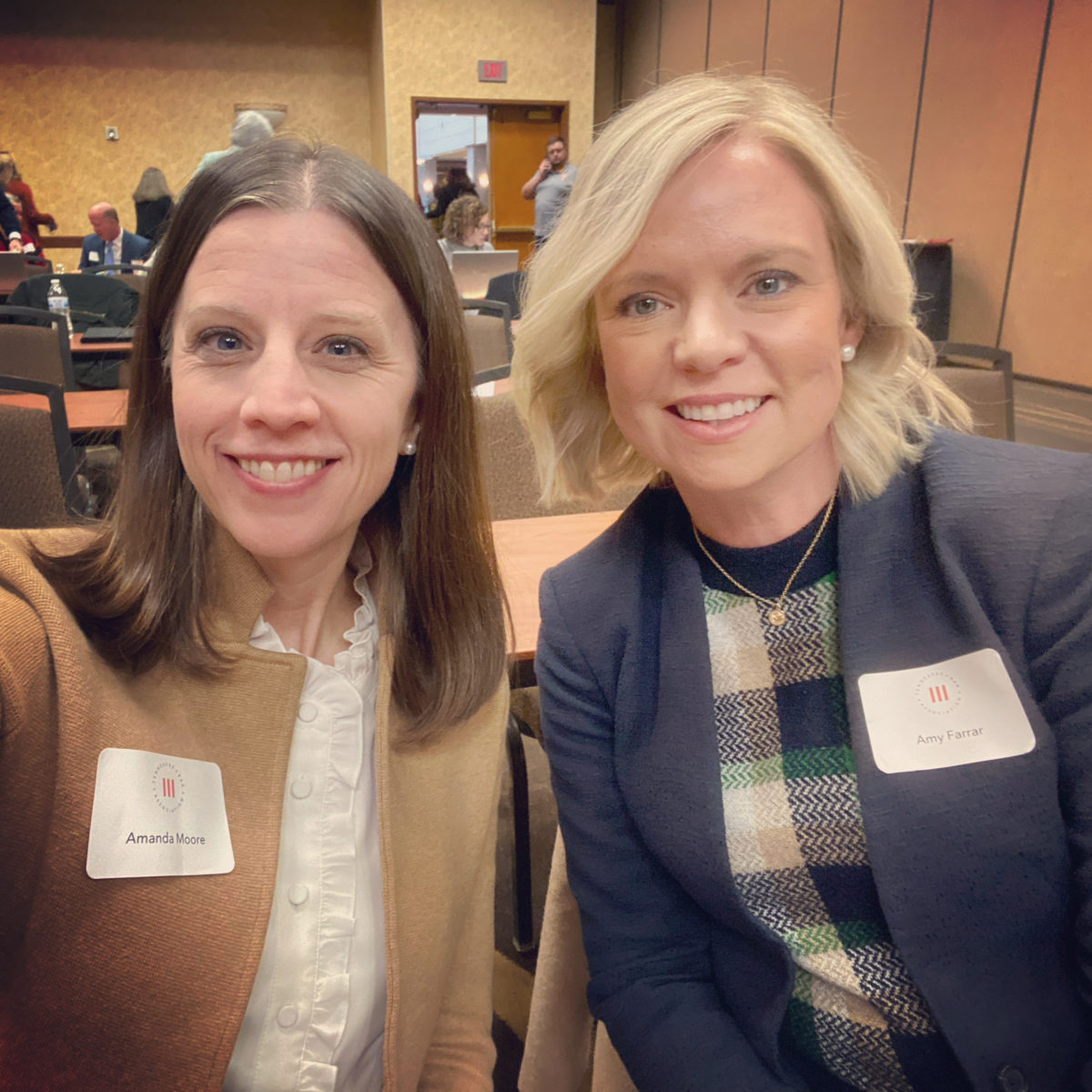
Farrar & Moore Attend 2022 Estate Planning and Probate Forum

Amy Farrar and Amanda Moore, co-founders of the Tennessee Center for Estate & Elder Law, PLLC, recently attended the Tennessee Bar Association’s 2022 Estate Planning & Probate Forum in Franklin, Tennessee. They joined their colleagues for a day of education on recent developments in the law on trusts, probate, conservatorships, ethics, and more. Topics included 2021 revisions to Tennessee’s Uniform Trust Code and practical advice on trust administration and drafting from professional trustees; practical probate advice from a panel of Tennessee Clerk & Masters; updates on legislation, including proposed mandatory conservatorship training; estate planning for business owners; and ethical issues in estate planning. The Tennessee Center for Estate & Elder Law is dedicated to staying current on the law to better represent its clients.

Categories
Blog

Farrar and Moore Present on Estate Planning, Elder Law

Amy Farrar and Amanda Moore have accepted invitations to speak to a variety of groups on estate planning and elder law. They presented to a group of seniors at the St. Clair Senior Center in Murfreesboro about how proper estate and elder law planning can prevent frustration and expense in the future. Moore also took part in a panel sponsored by Alzheimer’s Tennessee, “What Every Caregiver Needs to Know and When You Need to Know It,” as part of a webinar series on aging in place. Along with other experts in their respective fields, Moore was part of a program to help listeners understand their options and next steps for senior care. She explained her work in elder law and the benefits of estate planning. Farrar and Moore will next speak to the Murfreesboro Jaycees on February 25. 

Categories
Blog

Elisabeth Nelson Joins Firm for Internship

The Tennessee Center for Estate & Elder Law welcomed an intern in January. Through the Harpeth Hall School’s Winterim program, high school senior Elisabeth Nelson spent three weeks with the firm to learn what a career in law can look like. Harpeth Hall’s Winterim program allows students to participate in internships to explore potential career interests and gain experience in the workplace. As an intern at the Tennessee Center for Estate & Elder Law, Elisabeth attended client meetings, watched probate court, and helped with special projects. Through partnerships with other members of the community, Elisabeth was able to shadow both Judge Lisa Eischeid and the law firm of Catron and Fowler. Going into her internship, Elisabeth hoped to achieve a greater understanding of the work Farrar and Moore do for their clients and is grateful to have been able to do that and more. As for her future plans, Elisabeth knows she would love to have a career in law after this opportunity with the firm.

Categories
Blog

Farrar and Moore Complete “Scaling Small Law”

The Tennessee Center for Estate & Elder Law, PLLC is always working to refine its clients’ experience at the firm. To that end, co-founders Amy Farrar and Amanda Moore completed the award-winning Scaling Small Law program. Hosted by the Tennessee Bar Association, this program focused on business education and practice growth. Created with entrepreneurial lawyers and newly formed small firms in mind, the program included roundtable discussions, training sessions, and assignments on topics ranging from business planning and finance to law practice management and digital marketing. This course pushed its participants to look strategically at the development of their law firms in areas like client experiences and technology use. Such work gave Farrar and Moore further tools to continue to work on their firm instead of just in their firm.

Scaling Small Law just received the Excellence Award in Continuing Education from the Tennessee Society of Association Executives. Farrar and Moore were honored to have been in the inaugural class.

Categories
News Article

National Association of Estate Planners & Councils (NAEPC)

Amy Farrar has been elected to the Board of Directors of the Estate Planning Council of Middle Tennessee. The Estate Planning Council of Middle Tennesssee is an accredited council of the National Association of Estate Planners & Councils (NAEPC), which is the association of choice for professionals engaged in the practice of estate planning. The Estate Planning Council of Middle Tennessee fosters a multi-disciplinary approach to estate planning designed to meet the needs of clients at all stages of their lives, with an emphasis on wealth preservation and legacy.

Categories
Blog

Amy Farrar elected to serve as Recording Secretary for the Tennessee Lawyers’ Association for Women for 2021-2022

Categories
Blog

Farrar & Moore Selected for New TBA Program

Amy Farrar and Amanda Moore, co-founders of the Tennessee Center for Estate and Elder Law, PLLC, have been selected for the inaugural class of the Tennessee Bar Association’s Scaling Small Law Program.

This four-month-long business development and education program is designed for entrepreneurial lawyers, solo practitioners, and small to mid-sized law firms. As part of the class, Farrar and Moore will study business planning, marketing, law firm finance and budgeting, client service, ethics, and technology.

The course will help the firm implement and refine internal systems that will make clients’ experiences as pleasant and smooth as possible. Ultimately, a firm that runs well behind the scenes will produce better and faster results for clients. The team at the Tennessee Center for Estate & Elder Law, PLLC, is committed to doing just that and is honored to have been selected for this forward-thinking new program.

Categories
Uncategorized

The Tennessee Supreme Court Access To Justice Initiative